

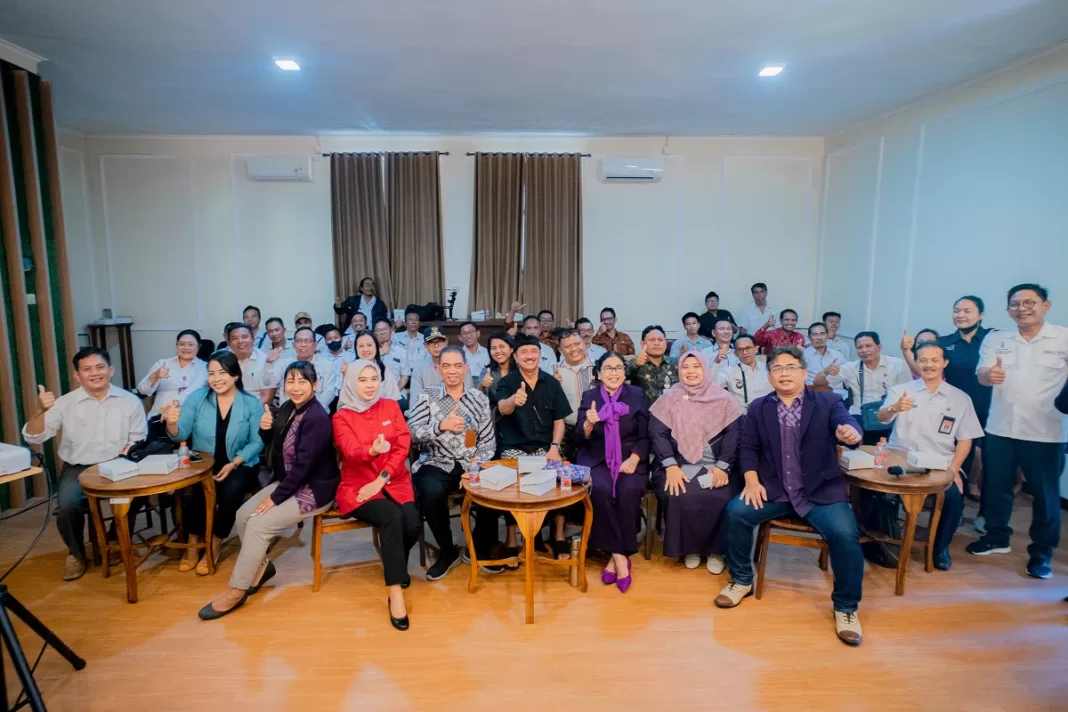
DENPASAR, Bali (BPN) – The development of tourism villages in Bali continues to receive attention especially to realize green tourism villages. As carried out by Dr. Ir. Deddy Kurniawan Halim, MM, Ph.D., also known as DK Halim from Politeknik International Bali, who develops digital marketing applications for green tourism villages called DeWiKu and the SIDeWi*HuB platforms (Integrated System of Bali Green Tourism Villages).
The DeWiKu app was launched and introduced to the heads of the 30 Bali tourism villages that are a part of the pilot project at the Bali Tourism Media Center, the Bali Tourism Office, on Wednesday, August 9, 2023.
According to DK, travelers who change their travel preferences to rural areas are the main background for his team to launch the digital apps and platforms.
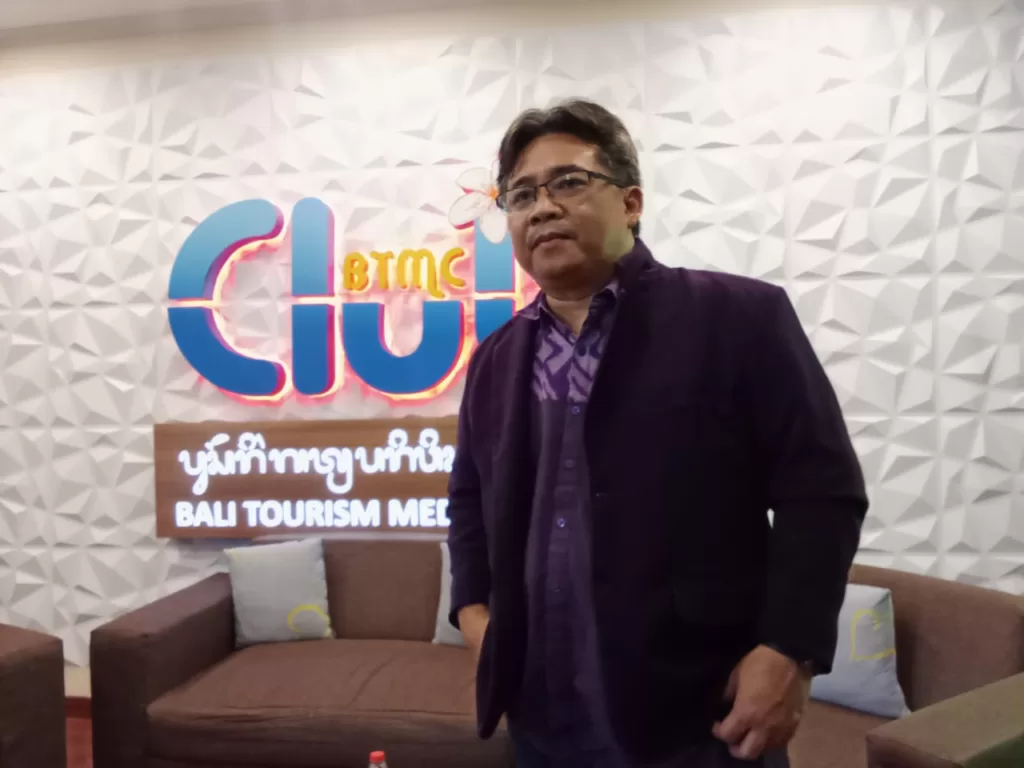
“However, this change potentially harms the environment. Therefore, one of the goals of this app and digital platform is to develop an information system for screening Bali’s green tourism villages and help protect the environment,” he said during the DeWiKu socialization.
Based on the issues listed above, DK concluded that there are no precise measurement systems and methods related to the standardization of Green Tourism Villages (DWH) in Bali.
In addition, there are no coordination and systems that bridged DWH throughout Bali due to the lack of involvement of the Tourism Office and the associated tourism village forum, and there is no integrated media and information system between DWH, Homestays and the potential green attraction packages contained therein.
For those reasons, his party proposes the SIDeWi*HuB platform, which consists of three stages: assessment, registration, and commercial or branding/marketing.
“Selection of tourism villages complies with DWH requirements. After registration, the DWH that has met the requirements will enter the registration or product listing stage which includes homestays, green tourist attraction packages, and so on. At the branding/marketing stage, tourists can make integrated reservations that will be monitored by DeWiKu Operators, Bali Tourism Office, and the green tourism village,” he explained.
The launch of the apps, according to Tjok Bagus Pemayun, Head of the Bali Tourism Office, is in line with the objective of the Bali Provincial Government, especially given how important this digital platform is for DWH standardization.
“Everything has to have the standard. What is the green like? Is it only because there are green trees? The parameters must be clear,” he said.
Tjok Bagus Pemayun acknowledged that the development of this digital app and platform could help the government promote tourism villages, especially since Bali already has green regulations, which were echoed during the G20 Summit last year.
To avoid altering the village’s green spaces and to maintain nature and culture, Tjok Bagus Pemayun advises tourism villages to use empty rooms at homes instead of inviting investors to develop homestays.
Meanwhile, the Chairman of the Tourism Village Communication Forum (Forkomdewi) of Bali, Made Mendra Astawa, said the platform is a tireless effort and struggle to develop tourism villages and the community’s economy, and hoped that in the future all 238 tourism villages in Bali could be included on this platform.
Also involved as researchers of this platform are Dr. Ni Nyoman Sri Astuti, SST.Par., M.Par, from Politeknik Bali, Dr. Ersy Ervina, S.Sos., MM.Par from Telkom University Bandung, Sri Ngudi Wahyuni, ST. M. Kom. from AMIKOM Yogyakarta University, Dinar Sukma Pramesti, ST. MT, and Dwi Novita C Permatasari, SIP, MA, MBA, both from Politeknik International Bali.


